Compare Local Contractors for Shrub Pruning Services
Compare local contractors for shrub pruning to define project scope, verify experience, and set clear expectations for a successful property enhancement.
Shrub pruning is a vital aspect of maintaining a healthy and attractive landscape. This work typically involves trimming, shaping, and removing overgrown or damaged branches to promote better growth and overall plant health. Contractors specializing in shrub pruning often assess the specific needs of different types of shrubs, considering factors like growth patterns, flowering cycles, and desired aesthetic outcomes. Proper pruning can enhance the visual appeal of a property while also supporting the longevity of the plants, making it a common service for property owners looking to keep their landscape well-kept and thriving.
Clearly defining the scope of shrub pruning work is essential to ensure that both property owners and contractors share a common understanding of the project. A detailed scope might specify which shrubs are to be pruned, the extent of trimming, any shaping or thinning requirements, and whether dead or diseased branches should be removed. Establishing these details in writing helps prevent misunderstandings and sets realistic expectations for the work to be performed. When scope parameters are clear, property owners can better evaluate proposals from different service providers and select the contractor whose experience and approach align with their landscaping goals.
Property owners seeking shrub pruning services can compare local contractors by examining their experience, reputation, and the range of services offered. It’s helpful to review any available references or previous work examples to gauge the quality of a contractor’s work. Additionally, asking potential service providers about their approach to defining project scope and how they communicate progress can clarify their professionalism and reliability. By focusing on these practical considerations, property owners can identify experienced contractors who understand local plant varieties and landscape needs, ensuring the work aligns with their expectations and contributes to a healthy, attractive outdoor space.
Compare local contractors by outlining your priorities, verifying experience, and clearly defining scope and expectations.
- Compare Contractor Experience - Review the backgrounds and project history of local contractors to assess their expertise in shrub pruning.
- Define Project Scope Clearly - Specify the extent of pruning needed and expectations in written agreements to ensure clarity.
- Verify Service Provider Credentials - Check references and credentials to confirm the reliability and professionalism of local contractors.
- Set Expectations in Writing - Document agreed-upon work details to help prevent misunderstandings and ensure project alignment.
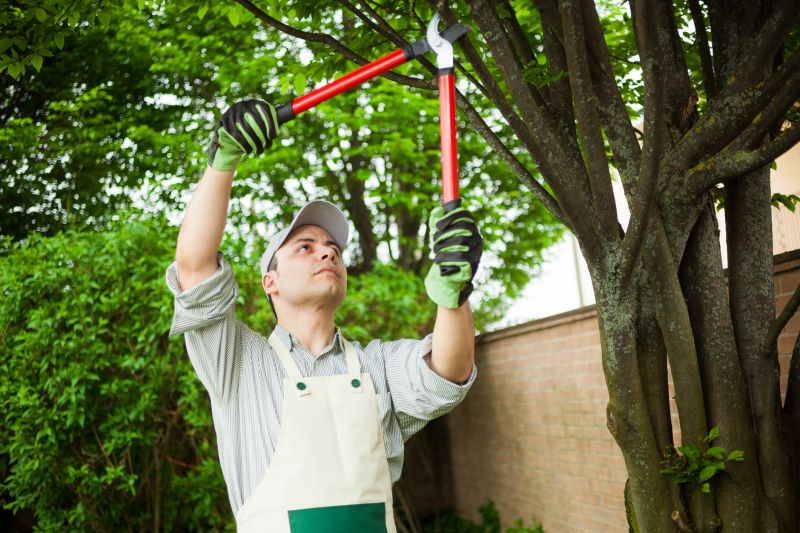
Compare local contractors by clearly describing your shrub pruning project, defining scope, verifying experience, and setting expectations in writing.
- Verify the contractor’s experience with shrub pruning to ensure they understand proper techniques for different plant types. - Look for service providers who clearly define the scope of work and pruning methods in their estimates or proposals.
- Compare multiple local contractors to assess their approach to shaping, thinning, and removing shrubbery. - Ensure they follow industry best practices for maintaining shrub health and appearance.
- Check that contractors provide written details about the pruning process, including cleanup and disposal procedures. - Clear documentation helps set expectations and avoid misunderstandings.
- Assess the contractor’s knowledge of shrub species and pruning timing to promote healthy growth. - Experienced service providers will tailor their techniques to the specific needs of your plants.
- Ensure the scope of work includes inspecting for pests or disease during pruning, if applicable. - This can help maintain the overall health of the landscape.
- Review the contractor’s communication about work boundaries and any potential impacts on surrounding plants or structures. - Transparent discussions help clarify project expectations and prevent future issues.
Compare local contractors’ experience and clarify your shrub pruning scope to ensure clear expectations.

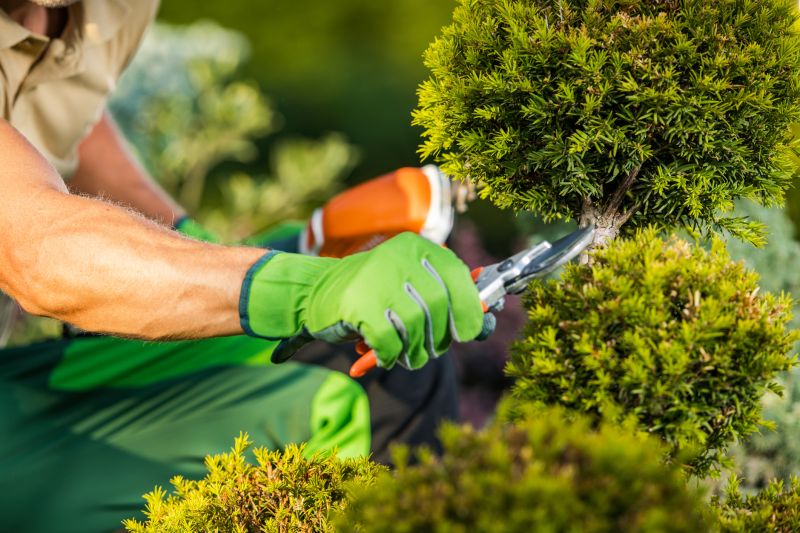
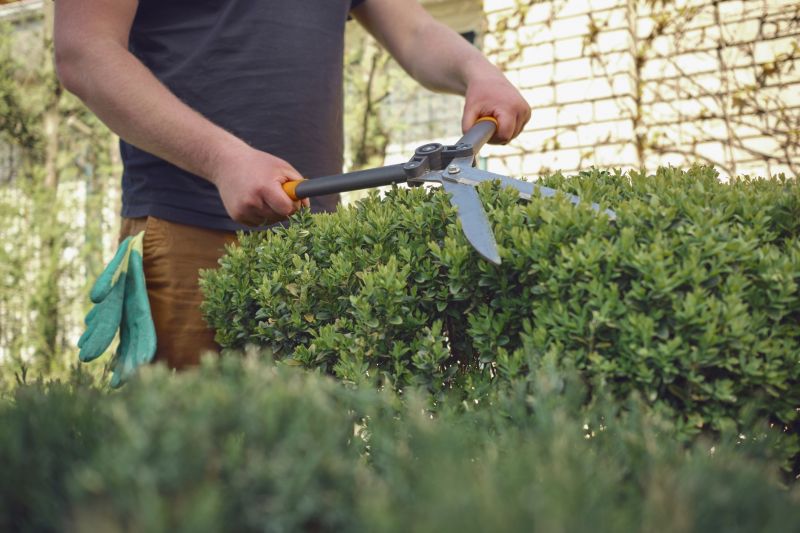
Learn how to compare shrub pruning contractors, define scope clearly, verify experience, and set expectations in writing.
- Define pruning objectives - specify the desired shape, size, and health outcomes for the shrubs.
- Identify shrub types and conditions - determine the species, age, and current health status of the plants.
- Outline pruning techniques and methods - clarify preferred approaches such as thinning, shaping, or rejuvenation.
- Establish scope of work and extent - specify which shrubs or areas are included and the level of pruning required.
- Document expectations and maintenance plans - detail post-pruning care, cleanup, and ongoing shrub health considerations.
When evaluating contractors for shrub pruning, it is important to consider their experience with similar projects. Homeowners should inquire about the types of shrubs and landscape conditions the service providers have worked with in the past. Contractors with a history of handling a variety of shrub pruning tasks are more likely to understand the specific needs of different plant species and landscape designs. This experience can help ensure that the selected professional is familiar with proper pruning techniques and best practices for maintaining healthy, attractive shrubs.
A clear, written scope of work is essential when comparing local contractors for shrub pruning services. Homeowners should seek detailed descriptions of what the project entails, including which shrubs will be pruned, the methods to be used, and any specific goals or standards to be met. Having this information documented helps prevent misunderstandings and ensures that expectations are aligned before work begins. It also provides a basis for reviewing the progress and confirming that the contractor’s approach matches the homeowner’s preferences.
Verification basics are key to making informed decisions when choosing a shrub pruning service provider. Homeowners can verify a contractor’s experience by requesting references or examples of completed projects similar in scope. It is also helpful to confirm that the contractor has appropriate insurance coverage or proof of work history that demonstrates reliability and professionalism. These steps help establish confidence that the service provider can deliver quality results and handle the job responsibly.
Evaluating options without focusing on prices involves assessing the quality of service and the professionalism of each contractor. Homeowners should compare the clarity of communication, the thoroughness of the written scope, and the contractor’s ability to answer questions about their process. It’s also useful to consider how well each provider understands the homeowner’s goals and whether they offer detailed explanations of their approach. By focusing on these factors, homeowners can identify service providers who are well-equipped to meet their shrub pruning needs with clear expectations and a solid track record.
Ask contractors to provide written scope details to ensure clear expectations and consistent shrub pruning services.
- Scope of Work - What specific shrub pruning tasks are included and how do they compare between contractors?
- Experience and Expertise - How do service providers’ backgrounds and experience levels differ in shrub pruning projects?
- Materials and Techniques - What methods and tools do local contractors plan to use, and how do they vary?
- Work Guarantees and Warranties - Are there written assurances or warranties provided for the pruning work?
- Communication and Expectations - How do service providers clarify project scope and set expectations in their proposals?
What should I consider when choosing a shrub pruning contractor? It's important to compare local service providers based on their experience, reputation, and the scope of services they offer. Verifying their background can help ensure they meet your specific pruning needs.
How can I define the scope of shrub pruning work? Clearly outline what you want to achieve, such as shaping, thinning, or removing dead branches, and communicate these details in writing to contractors to set proper expectations.
What questions should I ask contractors about their shrub pruning experience? Inquire about their previous work, types of shrubs they have pruned, and how they handle different plant needs to gauge their familiarity with the task.
Why is it important to get details in writing from a contractor? Having the scope, expectations, and any agreed-upon work documented helps prevent misunderstandings and provides clarity for both parties.
How can I compare different shrub pruning service providers effectively? Review their experience, scope of services, and references or reviews to determine which contractor is best suited for your shrub maintenance needs.
What should I do before hiring a shrub pruning contractor? Define your pruning goals, gather information about potential providers, and ensure all details are documented to facilitate an informed decision.
This overview highlights the importance of understanding the scope of shrub pruning projects, verifying the experience of local contractors, and setting clear expectations in writing. By comparing different service providers, homeowners can find the right fit for their specific needs and ensure that project details are communicated effectively. Utilizing the quote form allows for straightforward comparison of local options, helping to inform a well-considered decision.
Encouraging visitors to use the quote form provides a simple way to explore and compare available local contractors who can handle shrub pruning tasks. Gathering information through this process supports making informed choices based on the services offered and the scope of work. Connecting with experienced service providers becomes easier when potential clients take advantage of the opportunity to review local options side by side.