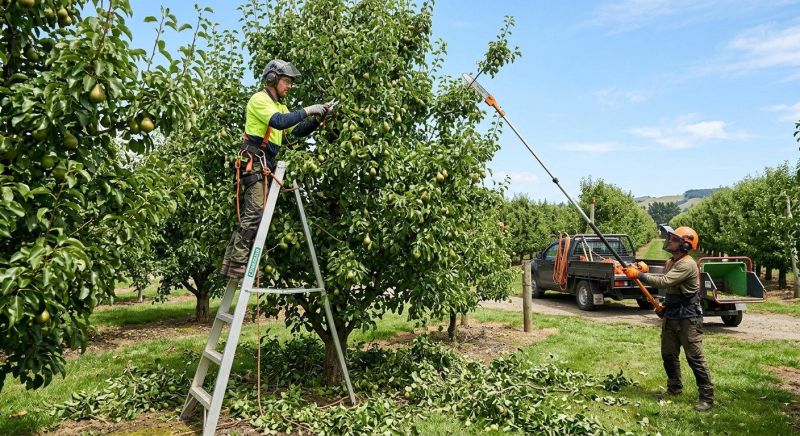
Pear Tree Pruning in San Jose, CA
Pear Tree Pruning services involve carefully trimming and shaping pear trees to promote healthy growth, enhance fruit production, and maintain the overall appearance of the landscape. These projects typically include removing dead or diseased branches, thinning out crowded areas, and shaping the canopy to ensure proper air circulation and sunlight exposure. Property owners often request this service to improve the health of mature pear trees, prepare young trees for future growth, or address overgrowth that may interfere with other landscape features.
Before requesting pear tree pruning, property owners should consider the age and condition of the trees, as well as their specific goals for the pruning project. It’s helpful to understand the best time of year for pruning to avoid damaging the tree or impacting fruit yield. Additionally, knowing the extent of the trimming needed and any particular concerns about pests or disease can help ensure the service meets the desired outcomes. Clear communication about these factors can support a successful pruning process.
Many property owners in San Jose, CA look into Pear Tree Pruning for repairs, replacements, upgrades, and appearance-related improvements.
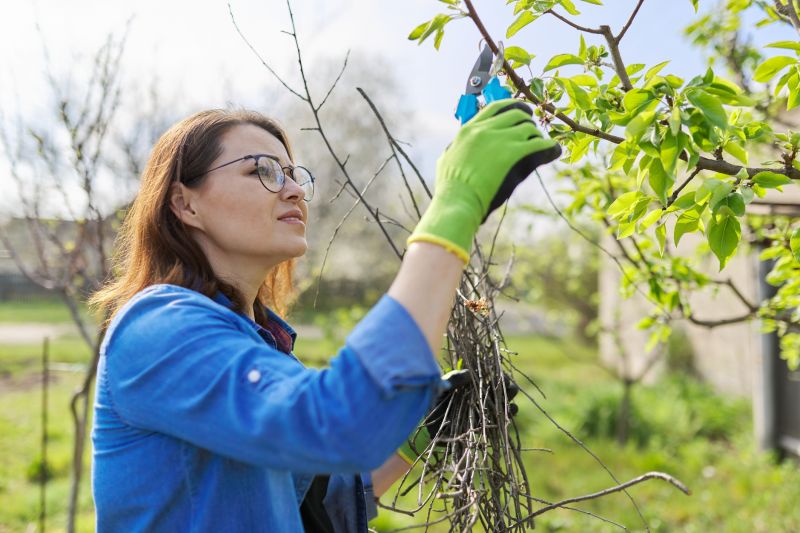
Pear Tree Pruning Services
Examples of pear tree pruning work property owners may explore in san jose, ca.
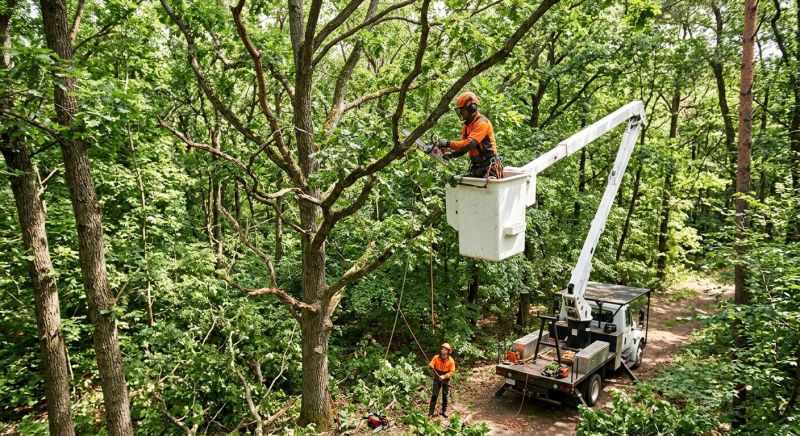
Pear Tree Pruning Updates
Common ways people refresh, improve, or restore pear tree pruning features in san jose, ca.
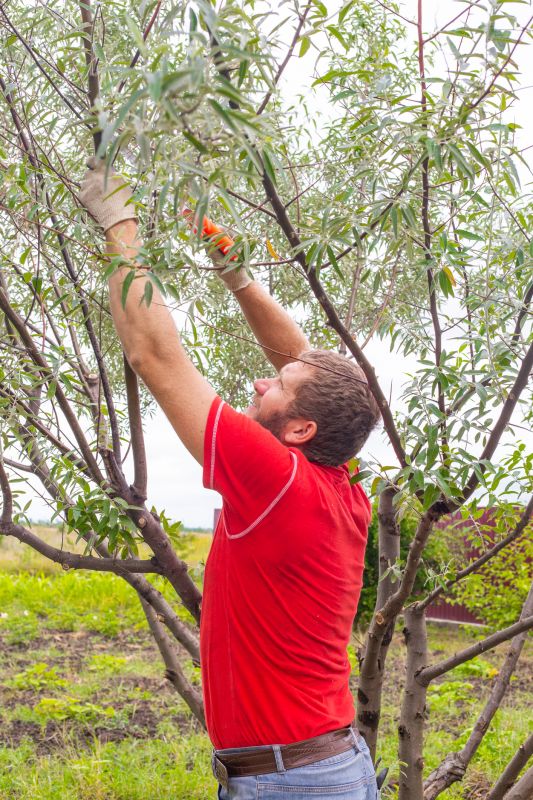
Pear Tree Pruning Options
Different styles, layouts, and finishes people consider for pear tree pruning in san jose, ca.
Pear Tree Pruning in San Jose, CA
Pear Tree Pruning services involve carefully trimming and shaping pear trees to promote healthy growth, enhance fruit production, and maintain the overall appearance of the landscape. These projects typically include removing dead or diseased branches, thinning out crowded areas, and shaping the canopy to ensure proper air circulation and sunlight exposure. Property owners often request this service to improve the health of mature pear trees, prepare young trees for future growth, or address overgrowth that may interfere with other landscape features.
Before requesting pear tree pruning, property owners should consider the age and condition of the trees, as well as their specific goals for the pruning project. It’s helpful to understand the best time of year for pruning to avoid damaging the tree or impacting fruit yield. Additionally, knowing the extent of the trimming needed and any particular concerns about pests or disease can help ensure the service meets the desired outcomes. Clear communication about these factors can support a successful pruning process.
Many property owners in San Jose, CA look into Pear Tree Pruning for repairs, replacements, upgrades, and appearance-related improvements.
Common Pear Tree Pruning Jobs
Pear Tree Pruning - shaping and thinning pear trees to promote healthy growth.
Fruit Tree Pruning - removing dead or diseased branches to improve fruit production.
Structural Pruning - shaping tree structure to prevent hazards and encourage strong growth.
Maintenance Pruning - regular trimming to manage size and remove damaged branches.
Seasonal Pruning - timing pruning to support tree health during different times of the year.
Crown Thinning - reducing dense foliage to allow better light penetration and airflow.
Pear Tree Pruning Questions
What is pear tree pruning? Pear tree pruning involves removing specific branches to promote healthy growth, improve fruit production, and maintain the tree’s shape.
When is the best time to prune a pear tree? The ideal time to prune a pear tree is during late winter or early spring before new growth begins.
Why should pear trees be pruned regularly? Regular pruning helps prevent disease, enhances fruit quality, and keeps the tree’s structure strong and balanced.
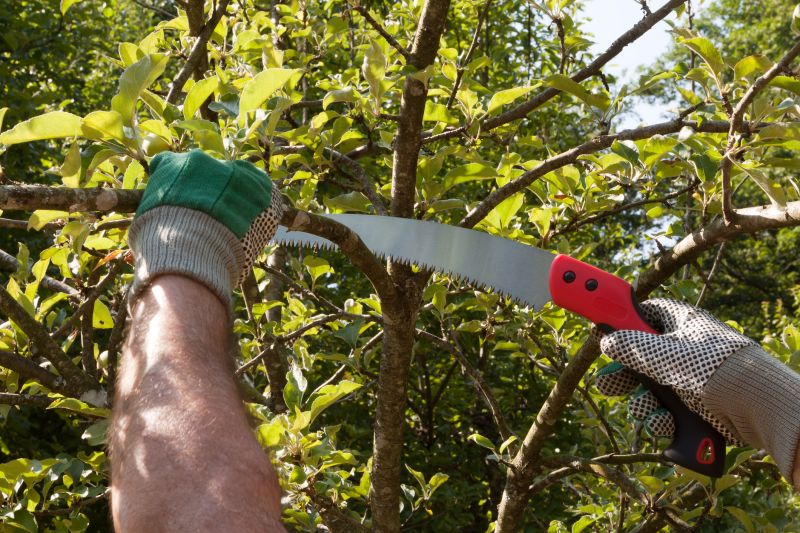
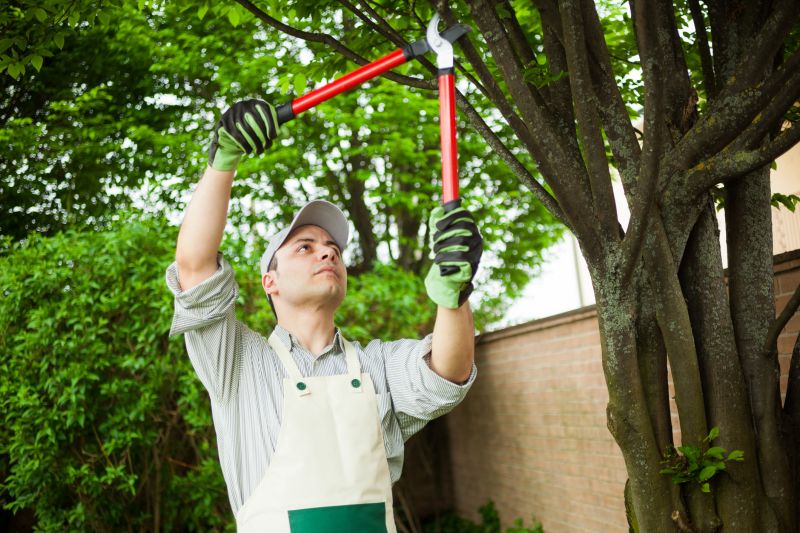
What tools are needed for pear tree pruning? Basic tools include pruning shears, loppers, and a pruning saw for larger branches.
Request Pear Tree Pruning in San Jose, CA
Use the quote form on this page to share the basics of your project and request more information for the type of work you need.